One of the safest non-toxic fillers that help reduce and soften the visual aspect of wrinkles is a radiesse injection. This type of skin enhancing gel can help with a variety of trouble areas on your nose and mouth. Most people get this procedure done after the collagen within their skin begins to lose its grip. It is very important that the radiesse injection technique applied during the procedure is done based on that specific individuals facial features. The various areas that the doctor injects should be at angles where the tissue can permanently hold the filler in place, this will ensure that is looks as natural as possible. The entire procedure is given under local anesthesia. The great thing about this type of procedure is that it is quick and does not require an entire day of non-activity. The recovery after the swelling will take about an entire day and you can resume normal activities quite quickly afterward.
Tagged as:
radiesse injections
Many different types of people are interested in discovering exactly how perlane injections can help the appearance of their skin. The actual solution
within these injections is called perlane and it is used as a remedy for blemishes on individuals faces. This type of injection is used by both sexes and is also widely used in industries that are often in front of the medias eyes such as Hollywood. The actual material that perlane is made of consists of hyaluronic acid gel that is not used on any animals during creation of the product. This solution for wrinkles became popular because it can literally mold to different parts of your face and always look exceedingly natural. One of the best ways to use a perlane injection is to help soften scars on the face that are caused from acne. Keep in mind that the actual benefits of this product do not usually show until about 12 to 16 weeks after treatment and last for up to 6 months
thereafter.
Tagged as:
perlane injections
Many doctors would agree that the state of the U.S healthcare system does not allow for every patient’s concern to be addressed. The costs would simply run up into unrealistic figures. Even if in the best case,
the costs are handled by insurance, if on a long-term basis the insurance companies have to pay out more money, they will simply be forced to increase insurance costs to keep up with their own expenses. Any way you look at it, people will pay the price. Even if government covers healthcare, if overall healthcare costs run up, regular people will be paying for that one way or another.
One solution out of the many possible solutions is that since patients can not keep getting MRI’s and X-rays for every bump and bruise they notice, they should better educate themselves about the various symptoms
their bodies display and be more aware of the types symptoms that may occur which are common and the types of symptoms that require more urgent and careful attention. Here are some helpful resources that can educate you about symptoms of your urine and poop so that you can better understand what is going on inside your body and be more proactive when problems do happen.
Traditional Herb at a Glance:
| Family, Genus, Species |
Nitrariaceae, Peganum, P. harmala |
| Botanical Name and Synonyms |
Peganum harmala |
| Common Names |
Harmala, Africa Rue, Syrian Rue, Esphand, Harmel, Harmal shrub, Isband |
Background:
Peganum Harmala is a popular plant which is used most often to ward off the evil eye in many cultures. It is also widely known for its medicinal properties.
Traditional Uses:
Used as incense
Treat eye disorders
Breast milk production
Antiviral
Antibacterial
Aphrodisiac
Sedation
Anti-inflammatory
Used to treat depression and anxiety
The information within this website is intended as reference material only and not as medical or professional advice. Your use of this website indicates your agreement to these terms.

Go to Source
 Nervousness is often experienced during stressful situations. Nervousness is often associated with apprehension, anxiousness and fear. Common symptoms include sweating, heart palpitations, muscle spasms, insomnia and shortness of breath.
To deal with nervousness, the key is to figure out what is actually causing the nervous reaction. You may also want to try the following home remedies and natural cures to treat nervousness.
Home Remedies for Nervousness:
- Make sure to eat a well-balanced and wholesome diet. Eat a variety of fruits and vegetables and whole grains. Make sure to keep hydrated. As well, try avoiding refined and fried foods as much as possible.
- Have a glass of warm milk on the onset of nervousness. Drinking a glass of warm milk is said to both help calm and relaxes the system.
- If you experience nervousness, try eating a banana. Bananas are traditionally consumed to treat nervousness.
- Aromatherapy is said to be an effective remedy to treat nervousness. Try lighting a scented candle or your favourite incense. You can also boil ingredients such as cinnamon cloves and cardamom in water. The scent of lavender is also said to be very effective.
- Add a tablespoon of honey to your orange juice. This mixture is said to help alleviate symptoms of nervousness.
- Massage the temples and forehead with mustard oil. This is said to help relieve the symptoms of nervousness.
- Add ginger to your tea. Ginger is said to be very effective in treating nervousness.
- Have almond milk. Add almond paste to your milk, adding sugar to taste. Almond milk is said to help relieve nervousness.
- Try yoga. Yoga and breathing exercise are known to be very effective in calming and relaxing the system.
The information within this website is intended as reference material only and not as medical or professional advice. Your use of this website indicates your agreement to these terms.
Go to Source
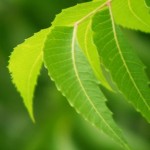 The Neem Tree (Azadirachta indica) is known the world over as the “tree of life.” Its medicinal and healing properties have long been revered and worshiped, while mention of its name and properties dates back thousands of years in ancient holy texts from the Indian Subcontinent. The medicinal and healing properties of the Neem Tree have garnered much recent scientific clinical investigation. So far, the clinical results seem to be promising.
From the leaves, seeds, flowers to the bark, all parts of the Neem Tree are used to treat a multitude of diseases and disorders. In fact, entire villages in rural India depend on the Neem Tree to maintain the health of the village inhabitants. Various components of the Neem Tree have been scientifically shown to possess antiseptic, antiviral, antibacterial and anti-inflammatory properties.
Traditional Uses of the Neem Tree:
Skin Conditions:
- Neem oil and neem powder are commonly used to treat a variety of skin conditions.
- Due to its anti-bacterial and anti-inflammatory properties, neem is widely used to treat and manage skin conditions.
- Neem is often applied to external wounds or cuts to promote healing and lower risk of infection.
- Neem oil is often used to treat acne, skin rashes and burns.
- Neem has long been used in the natural treatment of eczema. In fact, neem is said to actively reduce the itching and redness caused by eczema.
- Neem is used to treat mild, moderate and even severe cases of acne. Neem has been shown to reduce the frequency of acne breakouts, and reduce the redness and inflammation associated with acne.
- Neem is added to a variety of cosmetic soaps and lotions to help treat dry skin and prevent wrinkles.
Hair Health:
- Neem oil is applied to the scalp to prevent the premature greying of hair.
- Neem oil is believed to reduce hair loss.
- Neem is often massaged into the scalp to treat and prevent dandruff.
Arthritis:
- Neem has actively been used for centuries in the treatment of arthritis. According to Ayurvedic medicine, neem effectively treats arthritis and prevents the progression of the disease.
- Neem oil is applied to the skin to treat muscle aches and joint pain.
- Lower back pain sufferers may find relief in massaging the affected area with neem oil.
- Neem is often used to treat the swelling, pain and inflammation caused by arthritis.
- Clinic results suggest that these anti-inflammatory properties are due to the presence of compounds such as nimbidin, limonoids and catechin, which are found primarily in neem seeds.
Stomach Related Concerns:
- Neem is commonly used to treat indigestion, acidity and heartburn, stomach pains and constipation.
- Neem tea is often prepared to relieve any stomach related concerns.
Immunity and Cleansing Properties:
- Neem is believed to be a powerful natural cleanser and is said to effectively remove toxins from the blood.
- According to the teachings of Ayurveda, the bark of the Neem Tree are said to boost immunity and help build resistance to disease.
Diabetes Treatment:
- Neem has long been used to manage and treat diabetes in Ayurvedic medicine.
- Neem is believed to help controls blood glucose levels and increase insulin sensitivity.
- Much clinical evidence is currently being collected to identify the mechanisms involved in neem’s ability to help treat diabetes.
Cancer:
- Ayurvedic medicine has long prescribed various neem-centered remedies to help treat and prevent cancers.
- Current clinical research is being conducted on neem’s ability to reduce tumour size.
Teeth and Gums:
- The twigs from the neem tree are commonly used as natural toothbrushes to clean the mouth and to promote oral health.
- Mouth washes and neem based toothpastes are used to actively treat tooth decay, treat inflamed gums and help prevent cavities.
- According to Ayurvedic teachings, neem actively stimulates and strengthens gum tissue and helps prevent gum disease and gingivitis.
The information within this website is intended as reference material only and not as medical or professional advice. Your use of this website indicates your agreement to these terms.

Go to Source
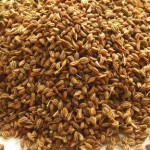 Ajwain (ajowan caraway, carom seed) is a popular aromatic spice which is used extensively in authentic Indian and South Asian cuisine. Greyish-brown in colour and tiny oval-shaped in appearance, ajwain seeds have both a unique look and taste profile. With an essence somewhat similar to thyme, ajwain is quite strong and pungent flavour. The seeds are known to be hot and slightly bitter in flavour. Ajwain seeds are commonly grown in India, Iran, Egypt and Afghanistan.
Ajwain seeds are rarely consumed raw. Instead, they are either dry-roasted or fried in oil before they are added to foods. A staple ingredient in Indian cuisine, ajwain is used in a variety of dishes, added to chutney and curries, used as a garnish, or added to fragrant drinks and tonics.
Medicinally, ajwain has long been used in traditional Ayervedic medicine. Ajwain is most widely known as a natural digestive aid. The following are additional uses of ajwain.
Traditional Medicinal Properties and Uses of Ajwain:
- Ajwain is commonly used as a digestive aid. It is known to relieve abdominal discomfort.
- Ajwain seeds are consumed to help stimulate appetite.
- Ajwain is used to treat stomach pains and many gastric conditions.
- Ajwain is eaten to treat gas and indigestion.
- The aroma of ground ajwain is said to help alleviate migraines.
- Ajwain is used to treat acidity and heartburn.
- Ajwain is said to provide relief from a toothache.
- Ajwain oil is used to treat earaches.
- Ajwain oil is massaged into the skin to treat arthritis, joint pain and inflammation.
- Ajwain seeds are chewed or ajwain tea is prepared to help treat and alleviate coughs.
The information within this website is intended as reference material only and not as medical or professional advice. Your use of this website indicates your agreement to these terms.
Go to Source
Body odor can be a very embarrassing condition. Caused by the accumulation of bacteria on the skin, body odor can be extremely unpleasant. The problem of body odor can be overcome by the following natural home remedies.
Home Remedy for Body Odor:
- Maintain a well-balanced diet, rich in whole and fresh foods.
- Apply baking soda to the areas of the skin where you perspire the most, such as the underarms. Baking soda actively helps prevent body odor.
- Add a few drops of rosewater to your bath water. This is a very old and traditional remedy to counter body odor.
- Mix together baking soda and fresh lemon juice. Apply this paste to the affected area and leave on for about 10 minutes before washing off.
- Apply baby powder or talc powder to the areas of the body where you perspire most frequently.
- Start the day with a glass of hot water with added lemon. This is believed to help regulate and balance all functions of the body.
- Prepare a tonic of warm water and apple cider vinegar. Apply this tonic to the underarm area to lessen the risk of developing body odor.
- Rinse the skin with fresh juice of radishes (diluted with water) throughout the day. This is another traditional home remedy to fight body odor.
- Apply apple cider vinegar directly to the underarm area. This is believed to keep the area clean and dry.
- Apply tomato juice to the skin and leave on for about 15 minutes. This is said to keep the skin fresh and clean.
- Combine one teaspoon of vanilla extract, 1 cup warm water and a teaspoon of rubbing alcohol. Spray this tonic to the skin for relief from body odor.
- Drink the juice of parsley to help fight body odor. Parsley is said to keep you cool and fresh throughout the day.
- Rub the underarm area with fresh cut potato slices. This is said to help keep the area dry.
- Mix a few drops of Tea Tree Oil to water. Apply this to the underarm area. The antibacterial properties of Tea Tree Oil are believed to counter the development of body odor.
- Keep hydrated throughout the day. Keeping hydrated will help counter body odor and help remove toxins from the body.
- Apply the juice of turnips to the underarm area. This is believed to provide relief from body odor.
- Add rosemary oil to water and mix well. Apply this mixture to the skin. Rosemary has antibacterial properties and will thus help counter the effects of body odor.
- Zinc is believed to help prevent body odor.
- Drink sage tea. This can be prepared by boiling fresh sage in water. Sage is believed to help prevent the development of body odor.
The information within this website is intended as reference material only and not as medical or professional advice. Your use of this website indicates your agreement to these terms.

Go to Source
Traditional Herb at a Glance:
| Family, Genus, Species |
Valerianaceae |
| Botanical Name and Synonyms |
Valeriana wallichii |
| Common Names |
Valerian, Indian Valerian, Valerian Jatamansi, Taggar |
Background:
Valerian has long been used in traditional medicines.
Traditional Uses:
Induces Relaxation
Treats Insomnia
Used to Tread Blood Disorders
Helps in the Treatment of Liver Disorders
Helps Relieve Stress and Anxiety
External Ointment to Alleviate Pain
Promotes Healing of Wounds
The information within this website is intended as reference material only and not as medical or professional advice. Your use of this website indicates your agreement to these terms.
Go to Source
Traditional Herb at a Glance:
| Family, Genus, Species |
Burseraceae, Commiphora, C. wightii |
| Botanical Name and Synonyms |
Commiphora wightii |
| Common Names |
Guggal, Guggul, Mukul Myrrh tree, Commiphora, Mukul, Indian Bdellium Tree, Moql |
Background:
Guggul is a staple item in traditional Indian Ayurvedic medicine. It is now gathering much scientific attention due to its medicinal properties.
Traditional Uses:
Used to Effectively Treat Rheumatoid Arthritis
Traditionally Used to Treat Obesity
Treats Thyroid Conditions
Treats High Cholesterol
Traditionally Used to Treat a Variety of Skin Conditions
Improves Circulation
Effective Treatment for Eczema
Said To Alleviate Menstrual Cramps
The information within this website is intended as reference material only and not as medical or professional advice. Your use of this website indicates your agreement to these terms.

Go to Source


